
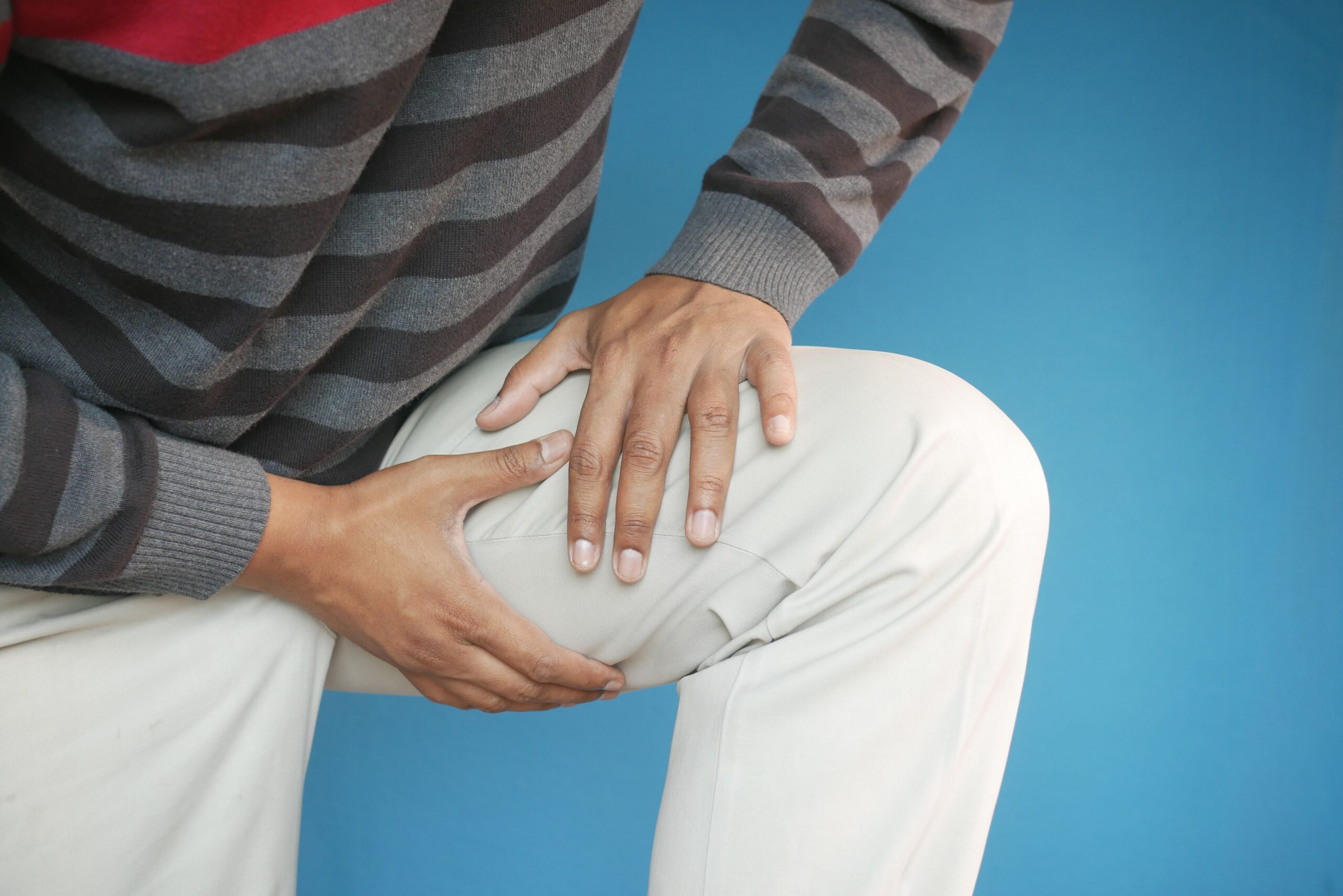
In fencing, precision, speed, and timing are everything. However, the explosive lunges, rapid changes of direction, and repetitive, asymmetrical arm extensions also make fencers highly susceptible to specific types of bruises and strains.
To help you stay sharp and off the injury list, we’re breaking down the six most common fencing injuries and exactly what you can do to prevent them before they take you out of the game.
View this post on Instagram
Statistics on fencing injuries
Based on a study by the International Journal of Sports Physical Therapy, 73% of fencing injuries involved the lower extremity, 16% involved the upper extremity and 10% affected the back.
In the lower extremity, the knee (49%), ankle (16%) and hip (11%) were most commonly affected. 80% of injuries were treated with physical therapy.
Injuries of both upper and lower extremities were more commonly seen on the athlete’s dominant side, and the majority of injuries (77%) occurred in athletes 13 years or older.
Source: The Prehab Guys
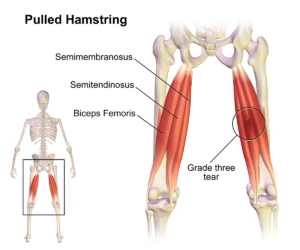
1. Hamstring & groin strains
A deep, explosive lunge stretches a fencer’s lower body to its absolute structural limit in a fraction of a second.
These can cause micro-tears in the muscle fibers of the inner thigh (groin) or the back of the legs (hamstrings), leading to sharp pain during sudden movements.
Cause of hamstring and groin strains: Lunging cold. Attempting explosive, ballistic movements without warming up the deep hip flexors and leg muscles fully.
How to avoid hamstring and groin strains
- Dynamic warm-ups: Static stretching (holding a stretch while sitting still) cools the muscles down and reduces explosive power. Instead, perform active movements like leg swings, side-steps, high knees, and progressive footwork drills to increase blood flow to the muscles.
- Eccentric strength: Incorporate Romanian Deadlifts (RDLs) and Nordic hamstring curls into your gym routines to build hamstring strength in extended positions.
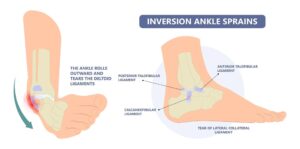
Image source: Certified Foot & Ankle Specialists
2. Inversion ankle sprains
Fencing bouts are fought linearly, but the sudden forward bursts and frantic backward retreats require incredible ankle stability.
Cause of inversion ankle sprains: Pushing off a rolled-back foot, slipping on a dusty piste, or structural fatigue toward the end of a long sparring session may cause an inversion ankle sprain. This happens when the ankle rolls outward, stretching or tearing the lateral ligaments on the outside of the ankle.
It most frequently happens to the back foot during a sudden retreat or a messy flèche recovery.
How to avoid inversion ankle sprains
- Fix your back foot angle: Ensure your back foot stays firmly planted at an L-shape (90-degree angle) relative to your front foot. Rolling the back foot onto its side significantly invites a sprain.
- Good fencing shoes: Investing in specialised fencing shoes with rounded heels and inner-side traction can also help keep the back foot flat and stable.
- Proprioception training: Spend five minutes a day standing on a wobble board or balance pad on a single leg to condition the stabilising receptors in your ankles.
Source: Singapore Sports & Orthopaedic Clinic
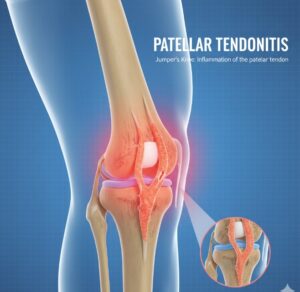
3. Patellar tendonitis (Jumper’s knee)
Patellar tendonitis is the inflammation of the tendon connecting your kneecap to your shinbone.
Because fencing requires a constant, deep en garde stance and explosive forward lunges, the knee of your lead leg takes a massive pounding.
It manifests as a dull, persistent ache right below the kneecap, especially when bending the knee or pushing off for a lunge.
Cause of patellar tendonitis: Poor tracking of the lead knee. Beginners often let their lead knee collapse inward (valgus collapse) instead of tracking directly over their toes during a lunge.
How to avoid patellar tendonitis
- Mirror test: When practicing footwork, ensure your front knee aligns perfectly vertically with your second and third toes.
- Vastus Medialis Oblique (VMO) strengthening: Incorporate isometric wall sits, Bulgarian split squats, and eccentric step-downs into your conditioning to build strength around the knee joint.

Source: Back Muscle Solution
4. Lower Back Muscle Spasms (Asymmetric Strain)
Fencing is inherently asymmetric; you stand sideways, lunging and twisting using one dominant side of your body for hours on end. One side of your lower back and hip flexors works significantly harder than the other. If your core muscles are weak, your lower back arches and absorbs the violent shock of every lunge, leading to muscle spasms and tightness.
Cause of lower back muscle spasms: An underdeveloped core that fails to support the spine when a fencer over-extends their torso during a deep attack.
How to avoid lower back muscle spasms
- Symmetrical cross-training: Dedicate gym sessions to training your non-dominant side to balance your structural load.
- Core work: Build a stronger core with planks and side planks. A stable core absorbs the shock of a lunge so your lower back doesn’t have to.
5. Finger, wrist & hand cramps
When fencers get nervous or tired, they squeeze the handle too hard, which exhausts the small muscles in the hand.
Cause of finger, wrist, and hand cramps: Finger, wrist, and hand cramping is almost always caused by a death grip on your weapon.
How to avoid finger cramps
- Taping the weapon: Use a rubber tape to have some cushioning effect on the fingers
- Grip method: Remember to hold the grip primarily with your thumb and index finger, and intentionally relax your hand completely whenever the referee calls “Halte!”
6. Lateral epicondylitis (Tennis’s Elbow)
Often referred to as tennis elbow, this is an overuse injury causing pain on the outside of the elbow joint. While your legs provide the engine, your weapon arm provides the precision. Repetitive extension and parrying can strain the forearm tendons.
Cause of lateral epicondylitis: It happens due to high grip tension. Beginners frequently have a death grip on their weapon, tensing their forearm muscles during parries or when making forcefully rigid blade contact.
How to avoid lateral epicondylitis
- Loosen your grip: Your weapon handle should be held primarily with your thumb and index finger (the manipulators), while the other three fingers loosely cradle the grip. Relax your hand between phrases.
- Wear a strap: Wear a tennis elbow strap to help support and relieve the stress
- Forearm conditioning: Use light resistance bands or dumbbells for wrist extensions and forearm pronation/supination exercises to build tendon resilience.
View this post on Instagram
3 tips to prevent fencing injuries
1. Listen to your body
Most fencing injuries are cumulative overuse issues rather than sudden trauma. If you feel a nagging ache in your lead knee or weapon elbow, don’t try to push through it.
Step off the strip, inform your coach, and allow your body the rest it needs to rebuild.
Fencing is a sport meant to be enjoyed for a lifetime. Protect your body so you can keep showing up.
2. Get proper fencing equipment
Once you’re sure you wish to commit to the sport, it’s best to invest in a well-fitted epee fencing starter kit.
Prioritise your gear in this order:
- Footwear: Specialised fencing shoes feature a low-profile flat sole, a rounded heel on the back foot to allow smooth rolling, reinforced side walls to handle the friction of deep lunges, and high-traction rubber to prevent dangerous slips on dusty strips.
- Mask, jacket, breeches: Ensure all your mask, jacket, and breeches meet at least the 350N safety standard. This rating certifies the force resistance of the fabric against punctures, keeping you safe during high-intensity sparring.
- Epee weapon: Owning your own blade means the grip contour, weapon weight, and point stiffness remain 100 percent consistent. This consistency is vital for developing reliable muscle memory, which prevents you from overstraining your forearm and finger muscles trying to adjust to a different club weapon every week.
3. Maintain consistent post-training recovery
Fencing places immense asymmetric strain on your muscles, meaning a proper cool-down is non-negotiable.
Spend ten minutes after every sparring session doing targeted static stretching, focusing heavily on your hip flexors, hamstrings, and forearms to prevent chronic tightness.
Incorporating regular foam rolling or sports massages will help flush out lactic acid, balance your muscle tension, and ensure you return to the strip fresh for your next session.
Frequently Asked Questions (FAQs) about common fencing injuries
1. What is the most common injury in epee fencing?
Aside from the above common injuries listed, epee fencers may also suffer from bruised hands, wrists, and fingers, as well as minor wrist strains from executing heavy parries against an opponent’s blade attacks.
This is because unlike foil or sabre, target areas in epee fencing include the entire body, with the hand and forearm being the closest and most frequent targets. Check out more differences between foil vs sabre vs epee here.
2. Can fencing cause long-term knee damage?
Fencing itself doesn’t cause damage, but fencing with bad technique can. If your lead knee consistently collapses inward or overextends past your toes when you lunge, it places an unnatural twisting force on the meniscus and patellar tendon.
Practising proper alignment where your knee tracks perfectly over your foot prevents long-term joint wear.
3. Is fencing a safe sport?
Yes, fencing actually has one of the lowest injury rates among competitive combat sports. Because it is a non-contact sport (you never make direct physical contact with an opponent’s body, only weapon-to-armor contact), severe injuries like concussions, fractures, or dislocations are incredibly rare. Most fencing injuries are minor overuse strains or sprains caused by repetitive movements.
4. Should I use a knee brace or tape my knee for fencing?
If you are recovering from an active injury like patellar tendonitis, using kinesiology tape (K-tape) or a compression sleeve can provide temporary structural support and relief.
However, braces should not be a permanent crutch. The long-term solution is to correct your lunge mechanics and strengthen the stabilising muscles around the knee joint.
5. What should I do immediately if I think I’ve strained a muscle during sparring?
Stop fencing immediately. Instead, follow the PRICE protocol:
- Protect the area
- Rest
- Ice to reduce inflammation
- Compress with a bandage, and
- Elevate the limb
Consult a sports physiotherapist if the sharp pain or swelling doesn’t subside within a few days.